
 Chinese
Breaking Key Technologies to Enhance Bridge Resilience — Our Company Participates in R&D Project Awarded Top Industry Prize
2025-11-14
Recently, our company participated in the project “Key Technologies and Applications for Enhancing the Safety and Resilience of Large-Span Steel Cable-Supported Bridges”, which was awarded the 2025 Scientific and Technological Progress Top Prize by the China Steel Structure Association. This recognition marks an important breakthrough in our core technologies for large-span bridge resilience and lays a solid foundation for our continued development in bridge structural safety.

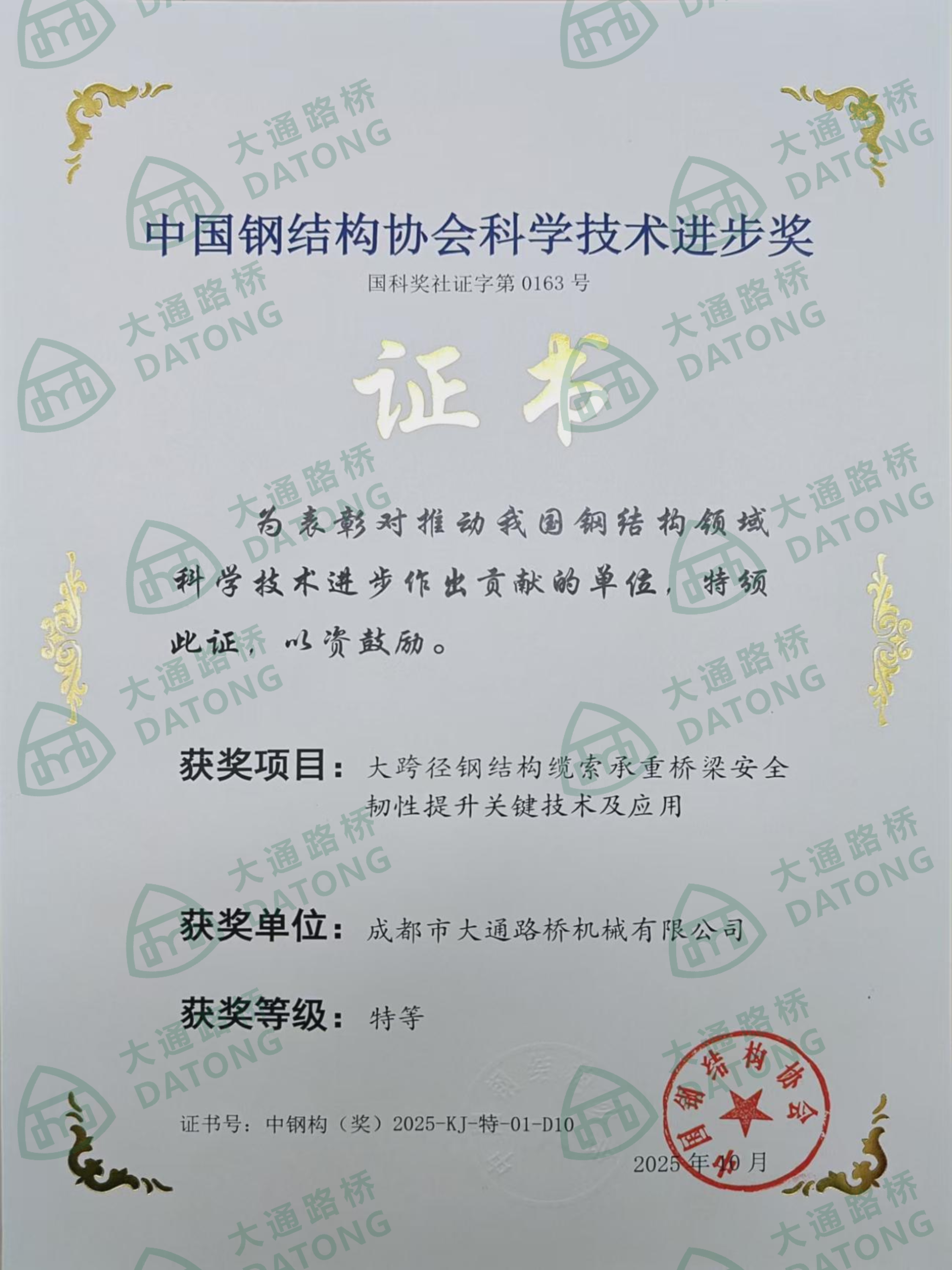
Project Background
Large-span steel cable-supported bridges are widely used in river crossings, sea spans, and deep canyon crossings. However, their safety and resilience under extreme events such as strong earthquakes, high winds, fires, as well as operational loads including temperature variations and heavy traffic, need urgent enhancement. This project actively responds to national strategic needs and builds on sustained support from the National Natural Science Foundation, the National 863 Program, the National Key R&D Program, and major transportation science and technology projects. It focuses on key challenges including resilient structural systems for large-span steel cable-supported bridges, novel high-toughness structures, efficient aerodynamic measures, and cable fire-resistance technologies. Through theoretical analysis, numerical simulation, model testing, field measurement, device development, and engineering verification, the project has achieved a series of innovative results.
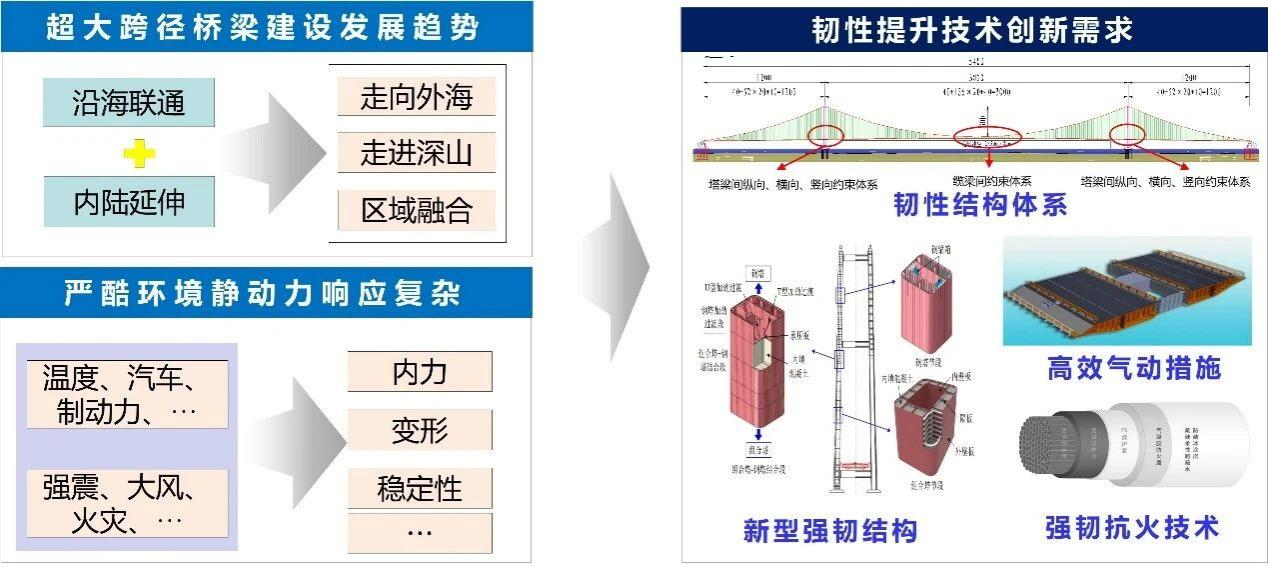
Figure 1: Project background and key technical innovation requirements
Innovative Achievements
1. Resilient Structural System Technology for Large-Span Steel Cable-Supported Bridges
The project proposed a multifunctional, adaptive static-dynamic resilience structural system for longitudinal, transverse, and vertical directions, along with corresponding design methodologies. Our company contributed to the development of new devices, including multifunctional static-limit and dynamic damping intelligent dampers, achieving over 15% reduction in tower base internal forces, more than 90% reduction in cumulative displacement at girder ends, and enhanced resilience under combined earthquake, traffic, and temperature effects.
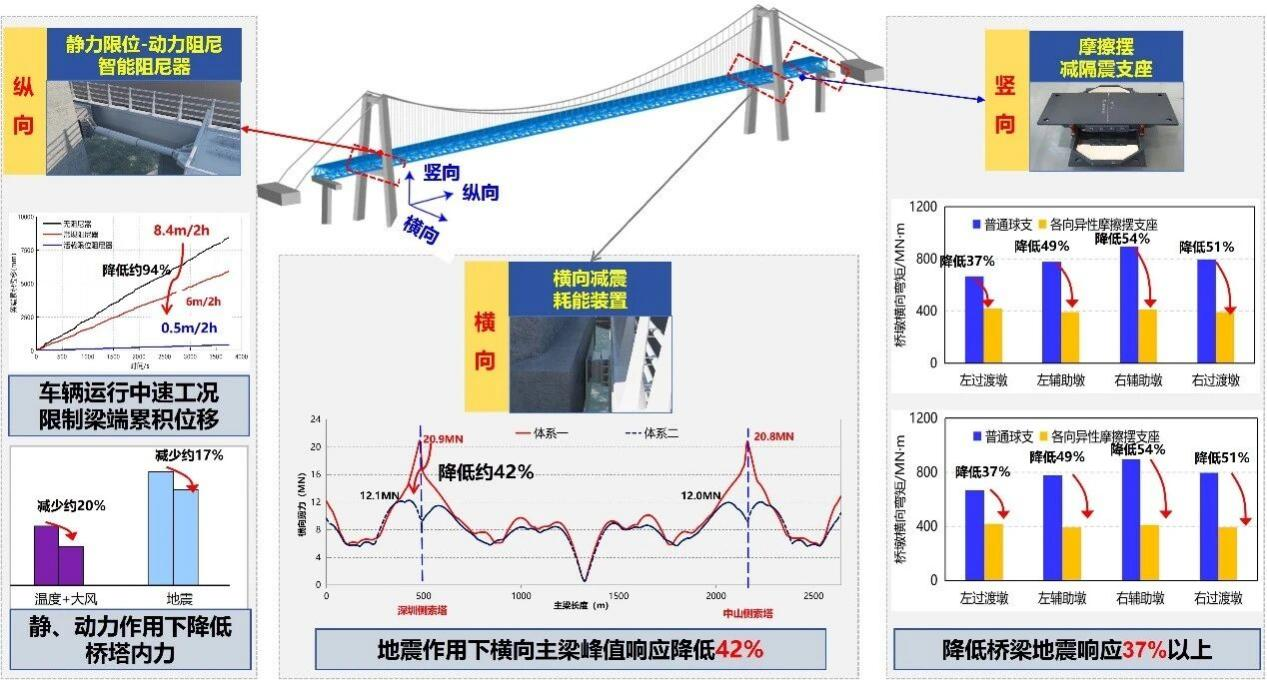
Figure 2: Representative achievements in structural system resilience enhancement
2. Structural Safety and Resilience Enhancement Technology
New structural types were developed, including integrated and segmented streamlined steel-box–concrete deck composite girders and steel-truss–concrete deck composite girders with wind nozzles, achieving more than 4.9 times improvement in deck fatigue life. The project also developed new steel–concrete composite pylons and interface connections, proposing a design method that accounts for steel-cell confinement effects on concrete. As a result, pylon load-bearing capacity and ductility both improved by over 15%.
3. Wind-Resistant Resilience Technology for Main Girders
The project revealed the energy dissipation mechanism of horizontal aerodynamic control flaps in suppressing flutter and proposed an energy-based method for multi-mode coupled flutter analysis. Efficient aerodynamic control technologies were developed, including steel-truss horizontal flaps with central slots and segmented steel-box vortex suppression gratings, increasing critical flutter wind speed by over 30% and reducing vortex-induced vibration amplitude by more than 60%.
4. Fire-Resistant Cable Resilience Technology
The project proposed rapid inversion models for cable temperatures under fire, post-fire cable damage detection, and safety assessment methods. High-performance aerogel composite fibers and environmentally friendly flame-retardant, solvent-free nano-enhanced coatings were developed. An integrated cable–clamp–anchor system fire-protection scheme was established, ensuring that cable temperatures remain below 300°C for 90 minutes under hydrocarbon fires reaching 1100°C.
Promotion and Application
The project’s outcomes have been applied in major domestic and international projects, including the Shenzhen–Zhongshan Corridor, Balinghe Bridge, Nansha Bridge, and four bridges in Panama, generating significant economic and social benefits. These results break through key technological bottlenecks in enhancing cable-supported bridge resilience, support high-quality construction and maintenance of major projects, advance industry-wide technical progress, and align with the “Strong Transportation Nation” strategy and the Belt and Road Initiative, showcasing China’s bridge engineering capabilities globally.
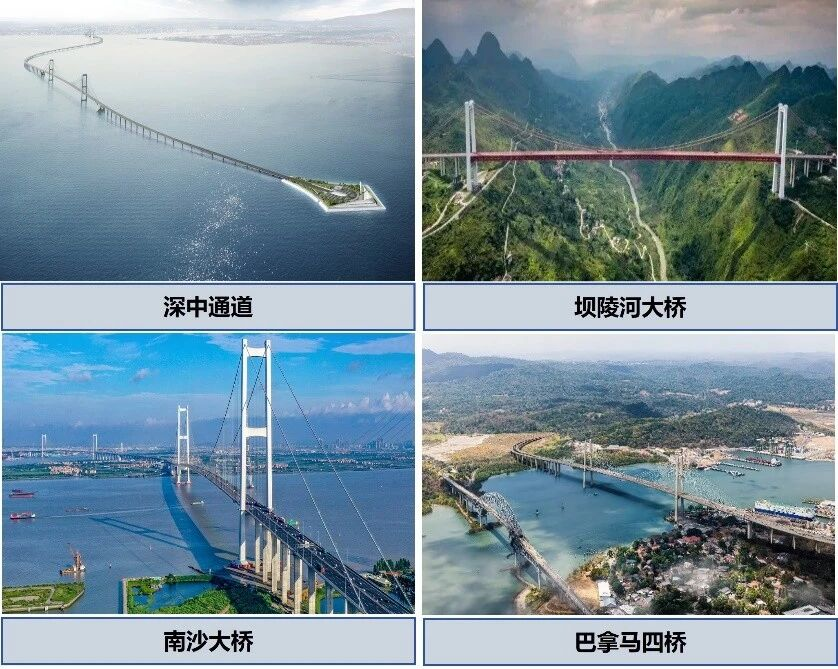
Figure 3: Representative engineering applications
Conclusion
From fast-developing urban infrastructure to large-span bridges spanning mountains, rivers, and seas, our solutions continue to provide reliable performance across numerous projects. This award recognizes our long-term commitment to R&D and quality improvement. Looking ahead, we will continue to innovate and contribute, writing more chapters of achievement for the Datong team.


